
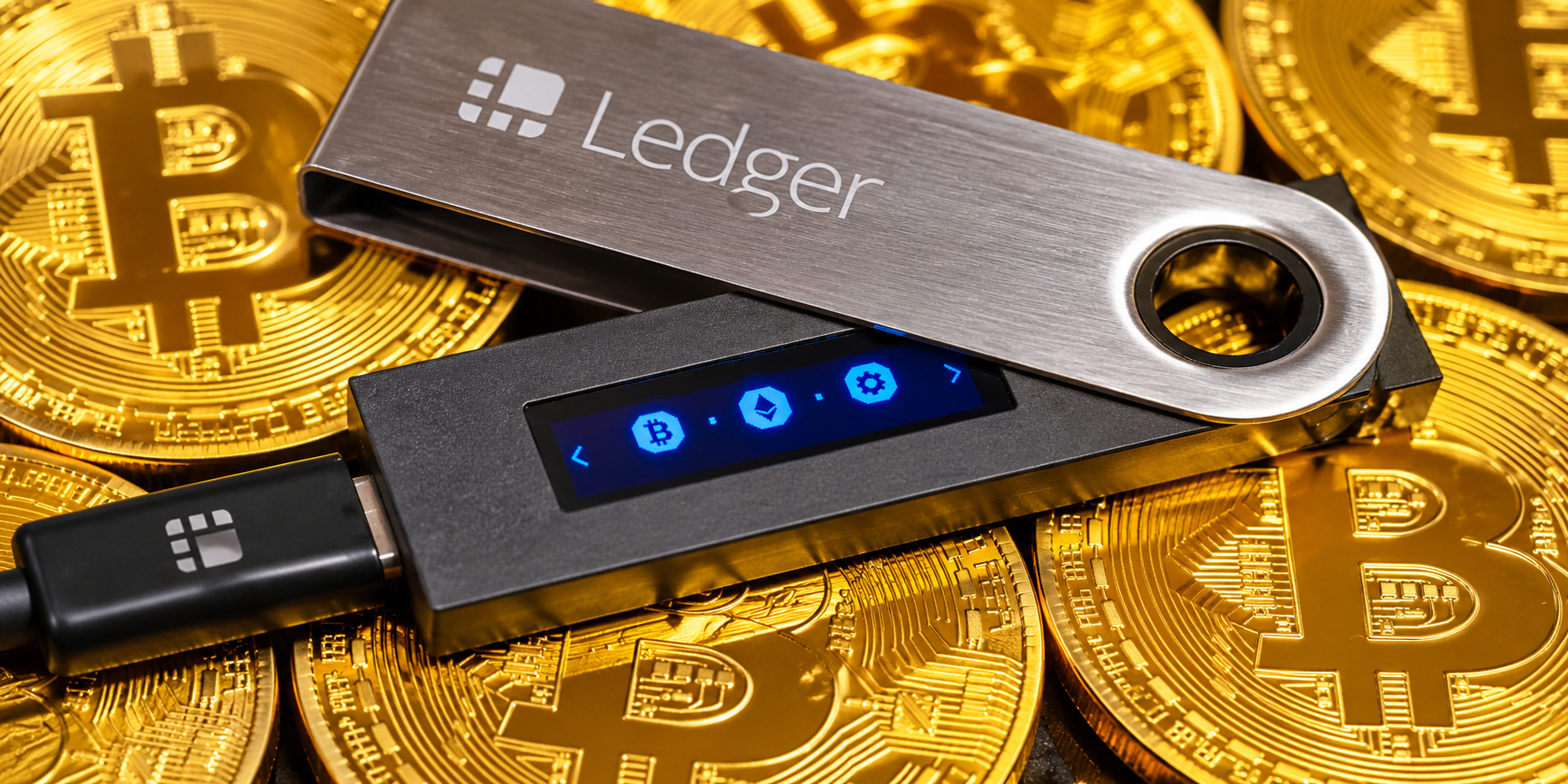
Paris, France, November 18, 2026, Cryptocurrency hardware wallet manufacturer Ledger has expanded its investigation into a physical device-tampering campaign after identifying suspicious hardware wallet units in Germany and the United Arab Emirates. The company said the newly identified cases appear connected to an earlier incident involving modified devices distributed through reseller channels in Southeast Asia.
The investigation raises concerns about supply-chain security in the cryptocurrency industry, where physical access to a wallet’s recovery information can expose users to significant financial losses even when the underlying blockchain technology remains secure. Ledger
Background
Hardware wallets are designed to keep cryptocurrency private keys isolated from internet-connected devices.
Users generally rely on a recovery phrase to restore access to their wallets if a device is lost, damaged or replaced. Protecting this phrase is therefore central to the security model of hardware-based cryptocurrency storage.
However, hardware security depends on more than software and encrypted chips. The distribution process also matters because a device can be modified before reaching its final customer.
Ledger previously disclosed an incident involving genuine devices that had been physically altered by criminals after leaving the manufacturer’s distribution control.
Key Developments
In its November 18 investigation update, Ledger confirmed that it had identified suspicious units in Berlin, Germany, and was investigating reports involving two devices in Dubai.
The company said the affected devices shared a physical modification designed to capture users’ recovery phrases during the wallet setup process.
Ledger also confirmed that one newer Ledger Nano Gen5 device had been affected in Southeast Asia.
The company stated that it had not identified a vulnerability in its secure chip or operating system and had no confirmed cases involving devices purchased directly from its official website.
The investigation is being conducted with distribution partners, security specialists and law enforcement authorities.
Ledger has advised customers who purchased devices from third-party sellers in the affected locations to contact official support if they have concerns. It has also recommended that users avoid setting up wallets on devices suspected of being modified. Ledger Support
Industry Implications
The incident demonstrates that cryptocurrency security risks can emerge outside blockchain networks themselves.
A hardware wallet may have strong encryption and secure software, but physical modifications introduced during distribution can undermine the protection users expect.
The findings are relevant to manufacturers, authorised resellers and cryptocurrency custodians because they highlight the need for stronger supply-chain monitoring.
For users, the incident reinforces the importance of purchasing hardware wallets through trusted channels and keeping recovery phrases private.
The case also shows why security investigations must consider the complete lifecycle of a device, including manufacturing, distribution, retail handling and initial setup.
What’s Next
Ledger is continuing its investigation into affected devices and reviewing distribution records with its partners.
The company may identify additional suspicious units as the investigation progresses. Its findings could lead to further changes in reseller controls, device verification procedures and physical security practices across the hardware wallet industry.
